GLP-1 Therapy
Semaglutide & Tirzepatide
A Thoughtful Approach to Sustainable Weight Management
Successful weight management is about more than losing weight. It is about creating meaningful health changes while preserving strength, supporting proper nutrition, and developing habits that can be maintained beyond the initial treatment period.
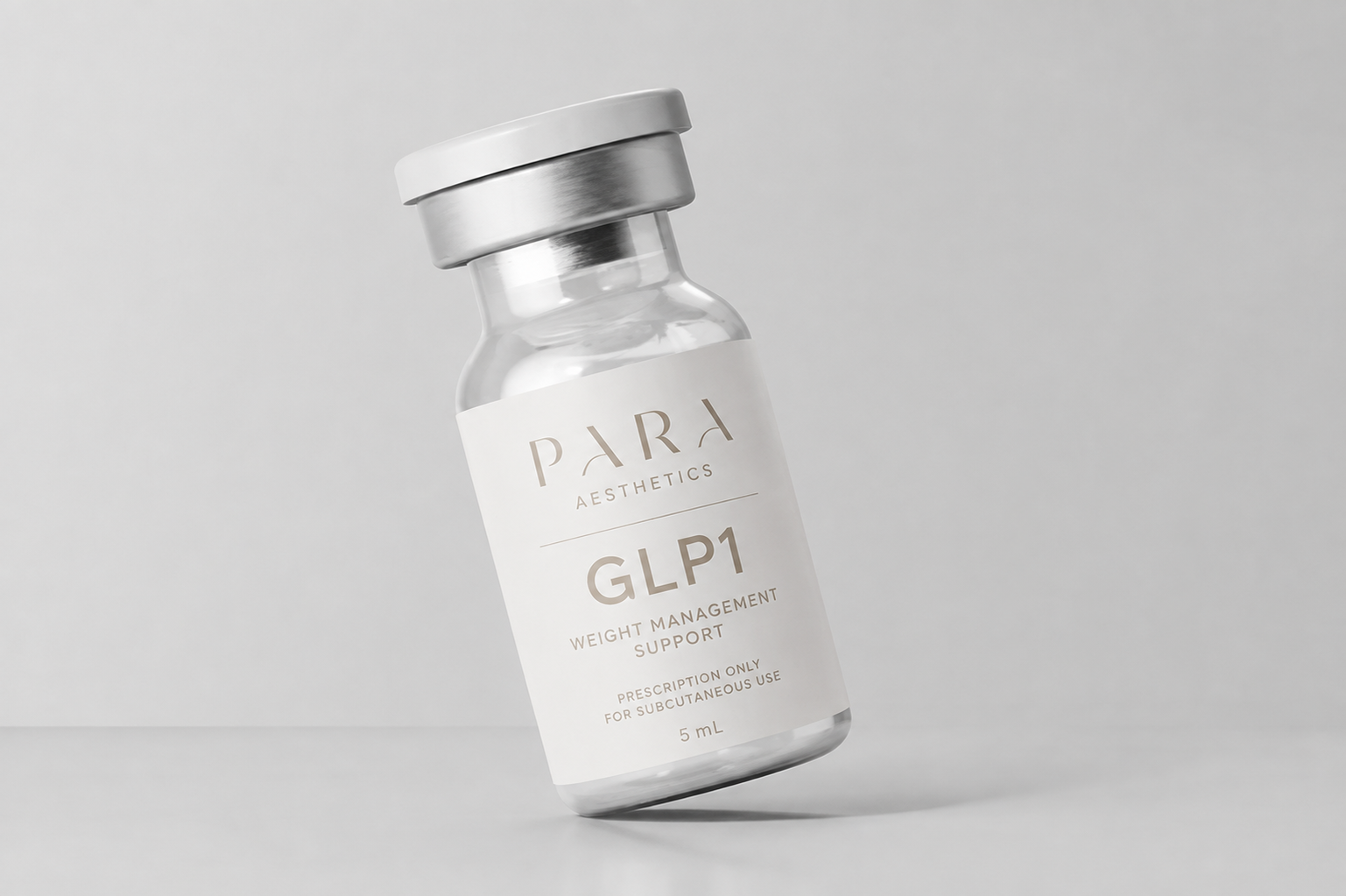
At PARA, our medically supervised program may include semaglutide or tirzepatide for appropriate candidates. These medications work with the body’s appetite-regulating pathways to help reduce hunger, increase feelings of fullness, and support gradual weight reduction when combined with nutrition, movement, and ongoing medical care.
Every program is individualized according to the patient’s medical history, treatment eligibility, goals, tolerance, and response.
Why We Offer GLP-1 Therapy
Weight management is influenced by biology, appetite signaling, hormones, lifestyle, environment, sleep, and many other factors. For some patients, nutrition and exercise alone may not adequately address the biological drivers of hunger and weight regain.
GLP-1–based therapy can provide an additional medical tool to help patients regulate appetite and follow a more sustainable nutrition plan. Semaglutide and tirzepatide work differently, and medication selection should be based on an individualized medical evaluation rather than preference alone.
Best For
-
Medically appropriate patients seeking weight-management support
-
Difficulty regulating hunger or portion sizes
-
Patients who have struggled to maintain previous weight loss
-
Improving overall body composition
-
Establishing sustainable lifestyle habits
-
Patients who are prepared for ongoing medical monitoring
-
Long-term metabolic-health support
PARA's Perspective
We do not view GLP-1 therapy as a shortcut or a stand-alone solution.
The medication is one component of a broader plan that should include adequate protein, balanced nutrition, hydration, movement, resistance training, and thoughtful follow-up. Our goal is to help patients lose weight in a way that supports strength, energy, confidence, and long-term health.
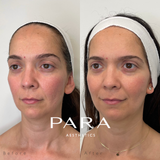
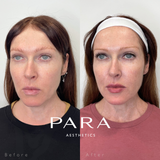
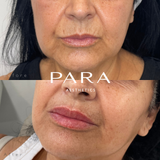
We also recognize that significant weight loss can affect more than the body. Loss of facial fat may reveal hollowing, reduced structural support, skin laxity, and changes in facial balance. Emerging aesthetic literature supports an individualized, multimodal approach using collagen-stimulating treatments, selective filler placement, and energy-based technologies when appropriate.
Downtime
There is no procedural downtime following the injection itself. However, medication-related side effects can occur and may include:
- Nausea
- Reduced appetite
- Constipation or diarrhea
- Abdominal discomfort
- Fatigue
- Headache
- Injection-site irritation
Your provider will review risks, contraindications, and symptoms that require medical attention before treatment begins.
Results
Results vary according to the medication prescribed, dose, duration of treatment, individual biology, adherence, nutrition, activity, and overall health.
Some patients notice appetite changes early in treatment, while weight and body-composition changes generally develop gradually. Treatment is most successful when paired with sustainable habits rather than extreme calorie restriction.
FAQ
What is the difference between semaglutide and tirzepatide?
Semaglutide primarily acts through the GLP-1 receptor. Tirzepatide acts through both GIP and GLP-1 receptors. They have different prescribing criteria, dosing protocols, side-effect profiles, and clinical considerations. Your provider will determine which option is appropriate based on your medical evaluation.
How often is the medication administered?
Semaglutide and tirzepatide are generally administered once weekly according to the prescribed treatment plan.
How quickly will I lose weight?
There is no single expected rate for every patient. Progress depends on your medication, dose, starting health, nutrition, activity, sleep, treatment consistency, and individual response. PARA prioritizes medically appropriate, sustainable progress over aggressive weight reduction.
Will I lose muscle?
Weight loss can include both fat and lean tissue. Adequate protein intake, resistance-based exercise, proper nutrition, and medical monitoring are important components of preserving lean mass during treatment.
Will GLP-1 therapy change my face?
The medication does not selectively target the face. However, significant or rapid overall weight loss can reduce facial fat and reveal hollowing, laxity, or pre-existing signs of aging. Published studies and reviews have documented facial-volume and skin-quality changes in some patients following GLP-1–associated weight loss.
Should I begin aesthetic treatments before reaching my goal weight?
Not every patient needs aesthetic intervention, and treatment timing varies. Some patients may benefit from early collagen support, while structural filler treatments may be better planned once weight is more stable. Your PARA provider can evaluate your facial changes throughout the process and recommend an appropriate sequence.
How long will I remain on treatment?
Treatment duration is individualized. GLP-1 therapy may require long-term management for some patients. Your provider will regularly evaluate effectiveness, tolerance, health status, and whether continued treatment remains appropriate.
Is medication guaranteed?
No. Treatment is prescribed only when medically appropriate following an evaluation. Certain health conditions, medication interactions, pregnancy status, or other risk factors may make a patient ineligible.